
Fence Care Through a New England Winter
Plowed snowbanks, road salt and frost heave do most of their damage to fences between December and March. What to do in the fall, during the snow months and after the thaw, and how wood, vinyl and metal differ.
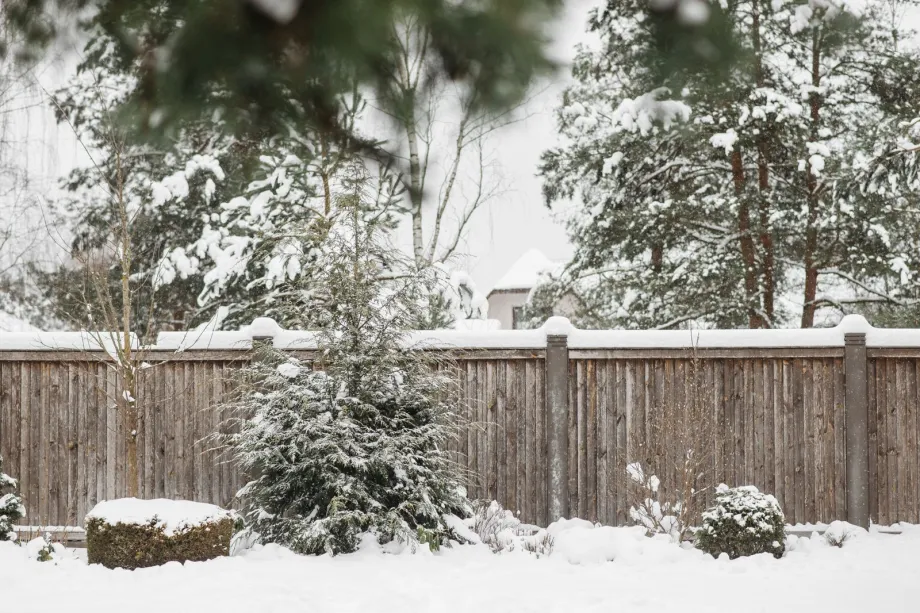
Autumn preparation before the ground freezes
Autumn in Western Massachusetts brings wet leaves, dropping acorns, and sudden cold snaps. Preparing a fence before the dirt hardens into ice prevents structural damage during the long winter months.
Start with a physical inspection of every section. Walk the perimeter and shake each post to test stability. Loose posts become leaning sections once saturated ground freezes and expands. Tighten all hardware, including gate hinges, drop rods, and latching mechanisms. Replace rusted screws or loose nails with stainless steel or hot-dipped galvanized fasteners that withstand moisture.
Clear organic debris away from the base of the fence line. Leaves, mulch, and soil trapped against bottom rails hold moisture against wood and metal. Wet leaf piles create a humid environment that breeds rot and accelerates metal oxidation. Trim back heavy tree branches, wild vines, and thick shrubs touching the fence. When winter storms hit, ice-laden branches snap under heavy loads and fall directly onto top rails.
Stain or seal wood while the weather is still within the temperature range on the product label. Wood absorbs surface water, which expands as it freezes into ice crystals inside the grain. This expansion causes boards to warp, split, and pop off framing rails. Applying a quality exterior stain or water-repellent sealant creates a protective barrier. Ensure the wood has several days of dry weather to cure completely before frost sets in.
Midwinter defense against snow, ice, and salt
Managing heavy snow accumulation
Snow drifting against fence panels adds immense lateral weight. Wet, heavy snow creates continuous pressure that bows wooden pickets and cracks rigid materials. When clearing driveways and walkways, avoid shoveling or blowing large mounds against fence lines. City and private plows often push dense banks of slush toward property edges, which can knock down entire fence sections. Keep a clear zone of several inches along the base whenever practical.
Countering road salt exposure
Properties near roadways face harsh exposure to de-icing compounds. Passing plows spray salt-laden slush onto lower rails and metal hardware. Salt is hard on wood surfaces and finishes. On iron and low-grade steel, road salt accelerates rust formation. On vinyl, chemical salt residue creates stubborn discoloration and dulls surface coatings.
Whenever a break in freezing weather occurs, spray clean water on salt-splattered surfaces. Rinsing away white salt crust reduces chemical etching on metal and keeps vinyl surfaces clean.
Handling frozen gates and latching hardware
Ice storms and melting snow often freeze gate hinges and latches shut. Never force a frozen gate open. Forcing a stubborn latch can snap wooden frames, bend aluminum latches, or tear hinges out of vinyl post walls. Instead, gently tap ice away from moving metal parts using a plastic mallet. Applying a silicone lubricant to latches and hinges before severe cold weather prevents ice from bonding to moving components. Avoid petroleum jellies or thick greases that attract dirt and stiffen under subzero conditions.
Spring inspection and post winter repairs
Spring thaw reveals how well a structure weathered the cold. Soil melting releases trapped water, shifting ground conditions across property lines.
Identifying and correcting frost heaves
Frost heaving is one of the most destructive winter forces in the region. When moisture in the soil freezes, it expands upward, lifting concrete footings and fence posts out of the earth. In spring, as soil thaws, posts often settle unevenly, leaving the fence line jagged and unstable.
Inspect every post base once the ground thaws completely. If a post has lifted, determine whether the concrete footing broke apart below ground. Re-leveling a heaved post means digging around it, resetting it deeper, below the frost depth your town requires, and setting it again in concrete or compacted stone. Adding crushed stone to the bottom of post holes improves drainage and reduces future heave risks.
Addressing leaning sections and base rot
High winter winds and heavy snowbanks force posts to lean out of plumb. Straighten leaning sections early in spring before surrounding soil packs tightly. Dig out the soil on the high side of the post, push the post back to vertical, and pack crushed stone into the cavity to lock it in place.
Check the ground line of wooden fences for softness, dark staining, or crumbling wood fibers. Melting snow banks keep lower rails soaked for weeks. Poke the wood near soil level with a screwdriver to test structural integrity. If the wood yields easily, rot has set in and affected parts need replacement.
Cleaning and refinishing in warm weather
Spring is the time to remove winter grime, mold, and salt stains. Wash vinyl and metal fences using mild detergent, water, and a soft-bristle brush. Power washing wooden fences requires low pressure to prevent gouging soft timber fibers. Once wood dries thoroughly after spring rains, apply a fresh coat of protective stain or sealer to prepare the fence for summer sun and another autumn cycle.
Winter care comparison across fence materials
Wood fencing
Wood requires the most active winter care. Natural wood fibers absorb water easily during rain and snowmelt cycles. When trapped water freezes inside wood cells, it creates stress fractures along the grain. Cedar and pressure-treated pine offer good natural resistance to decay, but both require surface sealing to block moisture absorption. Fasteners on wood fences loosen over time as boards swell and shrink during freeze-thaw cycles, requiring regular tightening each spring.
Vinyl fencing
Vinyl fencing resists moisture, rot, and rust without needing stains or sealers. However, PVC materials become brittle in subzero temperatures. Cold vinyl loses its flexibility, making it susceptible to cracking if struck by heavy snowballs, falling tree limbs, or snow-plow discharges. Never use sharp metal shovels to scrape ice or snow off vinyl surfaces. Avoid piling heavy snow banks directly against vinyl panels, as continuous weight causes cold plastic to snap.
Metal fencing
Open metal fences let snow drift through rather than piling weight against a solid panel, and the metal itself does not soak up water, so frost heave at the posts is the main worry. Wrought iron remains vulnerable to rust, especially near ground level where road salt collects. Treating iron fences with rust-inhibiting primers and touch-up paint before winter prevents oxidation. Aluminum fences resist corrosion naturally but still rely on steel assembly hardware that can rust if left unprotected.
Frequently asked questions
How do frost heaves affect fence posts in Western Massachusetts?
Water in the soil freezes, expands, and pushes fence posts upward out of the ground. Posts set above the local frost line suffer the most damage during midwinter freeze-thaw cycles. Keeping drainage clear around post bases helps minimize soil shifting.
Can road salt damage vinyl or metal fences?
Salt causes rapid corrosion on steel hardware and untreated metal fencing. On vinyl, road salt leaves a stubborn chemical film that traps dirt and dulls the finish over time. Rinsing surfaces with clean water in early spring removes salt buildup.
Should snow be shoveled away from fence panels?
Heavy, wet snow piled against fence boards creates lateral pressure that warps wood and cracks cold vinyl. Clearing snowbanks away from the base prevents structural leaning when the snow settles and hardens into ice.
What is the best season to stain or seal a wooden fence?
Late summer or early autumn is ideal because wood must be completely dry before sealing. Applying oil-based finishes before temperatures drop below freezing prevents winter moisture from penetrating the grain.