
Choosing a Wood Fence, From Species to Posts
A wood fence in Western Massachusetts lives or dies by its posts and by how it handles wind, snow and wet ground. Cedar and treated pine compared, the main styles, setting posts in frost country, gates that stay square and the rules to check first.
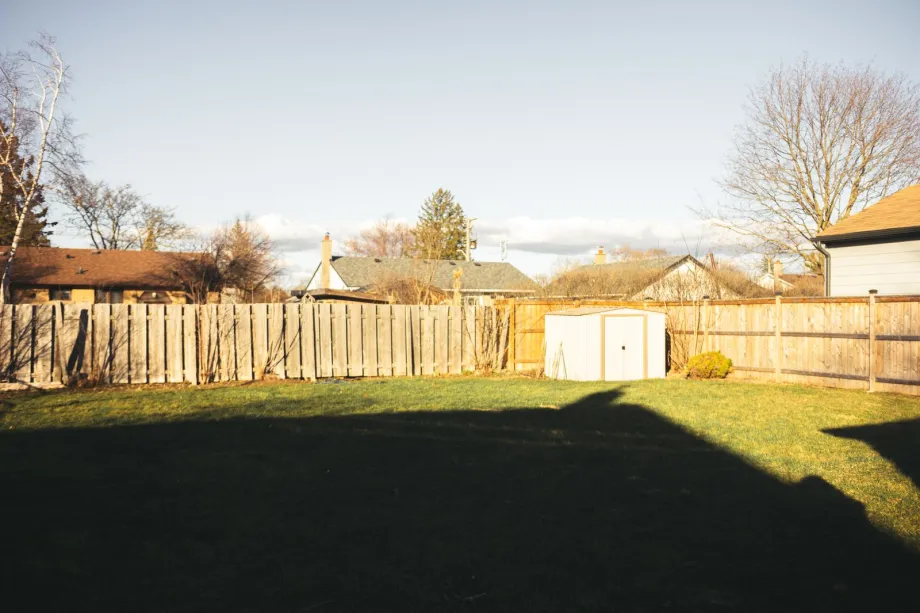
Wood species selection
Cedar remains a traditional choice across Western Massachusetts. Western Red Cedar and Northern White Cedar contain natural oils that repel insects and resist decay. Cedar handles seasonal moisture shifts well without needing chemical treatments. It resists shrinking and warping better than many softwoods, keeping fence pickets straight over decades of exposure. Over time, untreated cedar weathers to a silver-gray shade, though applying a protective seal coat keeps its original wood tone intact.
Pressure-treated pine offers a budget-conscious alternative. This lumber is saturated with preservative chemicals under high pressure to prevent fungal decay and insect attack. Southern yellow pine is standard for pressure-treated boards. While resistant to rot, pressure-treated lumber holds high moisture levels when purchased. As sunlight dries the boards, individual pickets can warp, twist, or cup. Lumber that was kiln-dried after treatment moves less.
Black locust and white oak are dense, durable woods sometimes used for posts and rustic rails.
Popular fence styles for New England properties
Privacy and semi-privacy designs
Solid privacy fences feature tight vertical boards mounted flush against horizontal rails. This design blocks views completely and dampens street noise. However, a solid wooden wall acts as a sail during winter blizzards. High winds exert strong pressure on solid panels, transferring stress directly to the posts and ground footings.
Board on board fences put overlapping pickets on alternate sides of the rails, so they stay private even after the boards shrink, and they look finished from both sides.
Shadowbox fences use an alternating picket layout with wider spacing. This design produces a semi-private barrier that looks identical from both sides of the property line. Shadowbox panels allow light and breezes to flow through freely, reducing air pressure and preventing blowing snow from drifting heavily against one side.
Open fence designs
Picket fences offer a classic appearance suitable for front yards, gardens, and sidewalk boundaries. Spaces between vertical pickets allow wind and light to pass through without resistance. Picket styles require less total lumber, reducing both material costs and overall structural weight.
Split rail fences use rough-hewn posts and horizontal rails to outline property lines. This open style requires minimal hardware and adjusts easily to uneven, sloping terrain. Open rail fences present no wind resistance and do not catch drifting snow, making them long-lasting options for open fields and wooded boundaries.
Setting fence posts in frost country
Water in the soil expands as it freezes, and a post that is not deep enough gets jacked upward a little each winter. This is frost heave.
Digging to proper depth
The cure is depth: the bottom of the post has to sit below the frost line, which your town's building department can tell you. A common rule of thumb is a hole about three times the width of the post, dug with straight sides. A wider top section forms a bell shape, giving freezing surface soil extra leverage to grab and lift the post.
Concrete versus gravel footings
Concrete footings provide maximum lateral rigidity, which works well for tall privacy fences and heavy gate frames. However, concrete can trap moisture against wood if water accumulates at the base of the hole. A few inches of crushed stone at the bottom of the hole, under the end of the post, gives water somewhere to go. Tapering the top of the concrete above ground directs rainwater away from the post base.
Gravel footings allow water to drain completely around buried wood. Filling post holes with compacted crushed stone secures the post while allowing ground water to flow freely during spring thaws. Gravel footings resist frost heave effectively in heavy clay soils and allow easier post replacement if damage occurs later.
Preventing gate sagging
Fence gates face constant physical movement, weight strain, and seasonal ground shifts. Without proper reinforcement, gate frames droop over time, dragging along the ground and throwing latches out of alignment.
Preventing sag begins with the hinge posts. Hinge posts require larger dimensions than standard line posts, such as six-inch by six-inch timbers instead of four-inch by four-inch timbers. Setting hinge posts deeper into the ground with extra concrete ballast prevents bending under heavy gate weights.
Gate frames require rigid structural bracing to stay square. A diagonal wood brace should run from the bottom corner on the hinge side up to the top corner on the latch side. This orientation places the brace in compression, transferring the outer edge weight back down toward the lower hinge. Heavy steel corner brackets or adjustable steel turnbuckle cables provide supplemental support for wide gate openings.
Rules, boundaries, and local requirements
Locating property lines
Avoid placing a fence based on old landscape features or unverified iron pipes. Hiring a licensed land surveyor to locate official property corners ensures the fence sits entirely inside your boundaries. Constructing a fence over a property line can lead to neighbor disputes or legal orders to remove the structure. And before any post hole, call 811 (the Dig Safe system in Massachusetts) to have buried lines marked.
Height regulations and orientation
Height limits are set by each town's zoning bylaw. Many towns allow taller fences in side and rear yards than in front yards, where a lower fence keeps sight lines clear for drivers, so read the bylaw before choosing panels.
Where a town or homeowners association says which way the fence faces, the finished side goes toward the neighbors and the street and the framing faces your yard.
Finishing and protecting the wood
Raw wood exposed to rain, snow, and sunlight degrades over time. Unsealed wood absorbs moisture during storms, which expands as it freezes in winter, splitting the wood grain and causing decay.
Pressure-treated lumber must dry thoroughly before applying surface treatments. Treated boards bought wet can take weeks or months to dry enough. Cedar absorbs stain sooner, but it still benefits from a short drying period after installation.
Semi-transparent oil-based stains offer strong protection against weather exposure. Pigments block ultraviolet rays that break down wood fibers, while oil repels standing water. Film-forming paints create a smooth surface, but trapped moisture can cause paint to crack and peel over time. A fresh coat every few years, when water stops beading, keeps the boards from weathering and checking.
Frequently asked questions
How deep should fence posts be buried in Western Massachusetts?
Deep enough to get below the frost line your town's building department works to, which in this part of the state is several feet. Shallower posts get lifted a little more each winter. A few inches of gravel at the bottom of the hole helps water drain away from the end of the post.
Which wood species resists rot best in New England?
Western Red Cedar and Northern White Cedar contain natural oils that resist insect damage and decay without chemical treatments. Pressure-treated pine resists rot well due to chemical preservatives, though it can warp as it dries. Dense hardwoods like white oak and black locust also offer high resistance to ground rot.
What is the good side rule for fences?
The finished side faces the neighbors and the street, and the posts and rails face your own yard. Some towns and homeowners associations require it, and where they do not it is still the usual courtesy.
Should fence posts be set in concrete or gravel?
Gravel footings allow ground water to drain freely away from the wood, which helps prevent rot and frost heave in clay soil. Concrete footings provide strong lateral stability for heavy gates and privacy panels, provided the concrete is poured over a drainage base and set below the frost line.