
Aluminium Metal Fence Panels: Styles, Costs and What to Ask Before You Buy
Aluminium fence panels give you a clean, lasting boundary without the weight or rust worries of steel. This guide covers the main styles, what affects the price, and the questions to ask a contractor before you commit.
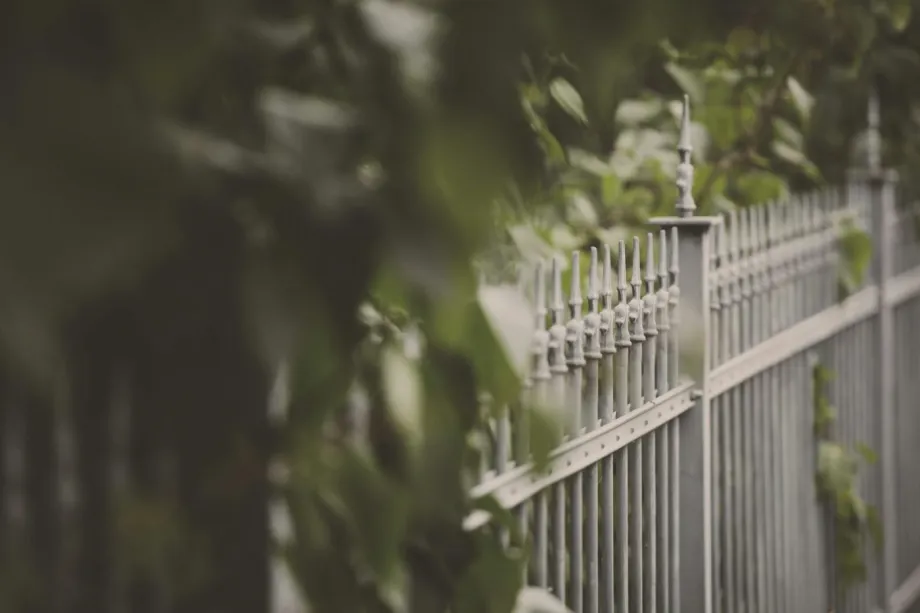
What are aluminium fence panels and how long do they last?
Aluminium fence panels are prefabricated sections made from extruded aluminium, usually finished with a baked-on powder coating. The extrusion process shapes the metal into hollow rails and pickets, so two people can carry and position each panel without special lifting gear. The powder coat bonds to the metal and protects it from moisture, salt and ultraviolet light.
A well-made aluminium panel lasts 30 to 50 years. Steel rusts unless its coating stays intact, and wood needs regular staining or painting to survive more than 15 to 20 years. Aluminium does not rust because it contains no iron, so the main risk is cosmetic: a scratched coating may show a dull grey line, but the metal underneath stays sound.
Installation shortens the lifespan more than the material does. Panels bolted to posts set in properly mixed concrete, with drainage gravel under each post, stay straight for decades. Panels fixed with shallow footings can shift after a few winters. When you compare quotes, ask how deep the posts will be set and whether the contractor uses concrete or foam backfill.
Which styles of aluminium panels suit a residential garden?
Four panel profiles cover most home gardens. The right choice depends on how much privacy you want and what the fence faces. Flat-top and loop-top panels suit open front gardens, while spear-top and privacy panels work better at the back or along a side boundary.
- Flat-top panels have a straight horizontal top rail and evenly spaced pickets, so they look tidy around a front lawn where you want the house to stay visible.
- Spear-top panels end in pointed pickets that make climbing harder, which is why they are common along back gardens and around swimming pools.
- Loop-top panels have pickets that curve over into a rounded arch, a softer look that suits cottage gardens and planting beds.
- Privacy panels use wider pickets with little or no gap between them, so they block the view from a neighbouring property or a busy street.
Most suppliers offer these profiles in black and white, with black being the default for spear-top panels because it hides road dust well. If the garden is small, flat-top or loop-top panels keep the space feeling open, while privacy panels are the better option where a patio or seating area sits close to the boundary.
What makes one aluminium panel cost more than another?
The price of an aluminium panel depends on four or five things you can check in the quote. Height comes first: a 1.2 m panel uses less metal than a 1.8 m panel of the same design, so the taller option costs more per linear metre. The second factor is the coating. A basic polyester powder coat is cheaper than a PVDF or super-durable architectural finish, which holds its colour longer on south-facing walls.
Infill spacing changes the amount of aluminium in the panel. Closely spaced pickets or a solid privacy design use more material than a wide-spaced rail style. Decorative extras such as finials, rings or arched tops are usually priced per piece, and they add up quickly on a long fence line. Posts are a separate line item: some panels are quoted without them, so a lower figure may not cover what the crew actually installs.
- Panel height: taller panels use more aluminium and cost more per metre.
- Coating quality: a PVDF finish costs more than a standard polyester coat.
- Infill spacing: closely spaced pickets need more material than wider spacing.
- Decorative finials and rings: these are priced per piece and raise the total.
- Posts and caps: check whether the quote includes them or lists them separately.
When you compare two quotes, ask the contractor to list the panel height, coating type and infill spacing on the same page. A cheaper quote often means a lower panel or a thinner wall thickness, not a better deal.
How do I compare quotes from different fence contractors?
A quote that only states a total price tells you little. Ask each contractor to break the work down into linear metres of panel, the number and type of posts, gate hardware and the concrete depth they plan to use. Posts set in 600 mm of concrete behave differently in frost than posts set in 300 mm, and the deeper option costs more for a reason.
Check that the coating warranty is written into the quote rather than mentioned in conversation. A powder-coated aluminium panel carries a finish warranty from the manufacturer, but the installer should state which coating system they are buying and for how long it is covered. If a quote is noticeably cheaper, the difference usually lies in post spacing, concrete volume or gate hardware.
- Panel length and total linear metres, measured on site, not taken from your estimate.
- Post type and wall thickness, with spacing that matches the manufacturer's wind rating.
- Concrete depth and diameter for every post hole, including gate posts.
- Gate frame, hinges, latch and drop rod listed as separate line items.
- Coating system name and the length of the finish warranty in writing.
- Start date, crew size and who is responsible for removing the old fence.
Do aluminium fence panels need much maintenance?
Aluminium panels need far less upkeep than timber or steel. The powder coated finish resists rust and fading, so you never need to sand, prime or repaint the fence. A light clean once a year keeps it looking new, and a quick visual check catches small issues before they spread.
The annual routine takes about an hour for a typical garden fence:
- Wash the panels with warm water and a few drops of washing up liquid, then rinse with a hose.
- Wipe down post caps and the top rail, where dirt and bird droppings collect first.
- Look for scratches from strimmers, ladders or stone chips and touch them up with matching touch up paint.
- Check that post caps sit firmly and that no screws have worked loose over winter.
- Keep soil, mulch and leaves away from the bottom rail so moisture does not sit against the metal.
Scratches are worth treating because bare aluminium oxidises slowly, which can dull the area around the scratch. A small touch up pen costs little and takes a minute to apply. You never need to repaint the whole fence, and the colour will not flake off like paint on timber.
Can I install aluminium panels on a slope or uneven ground?
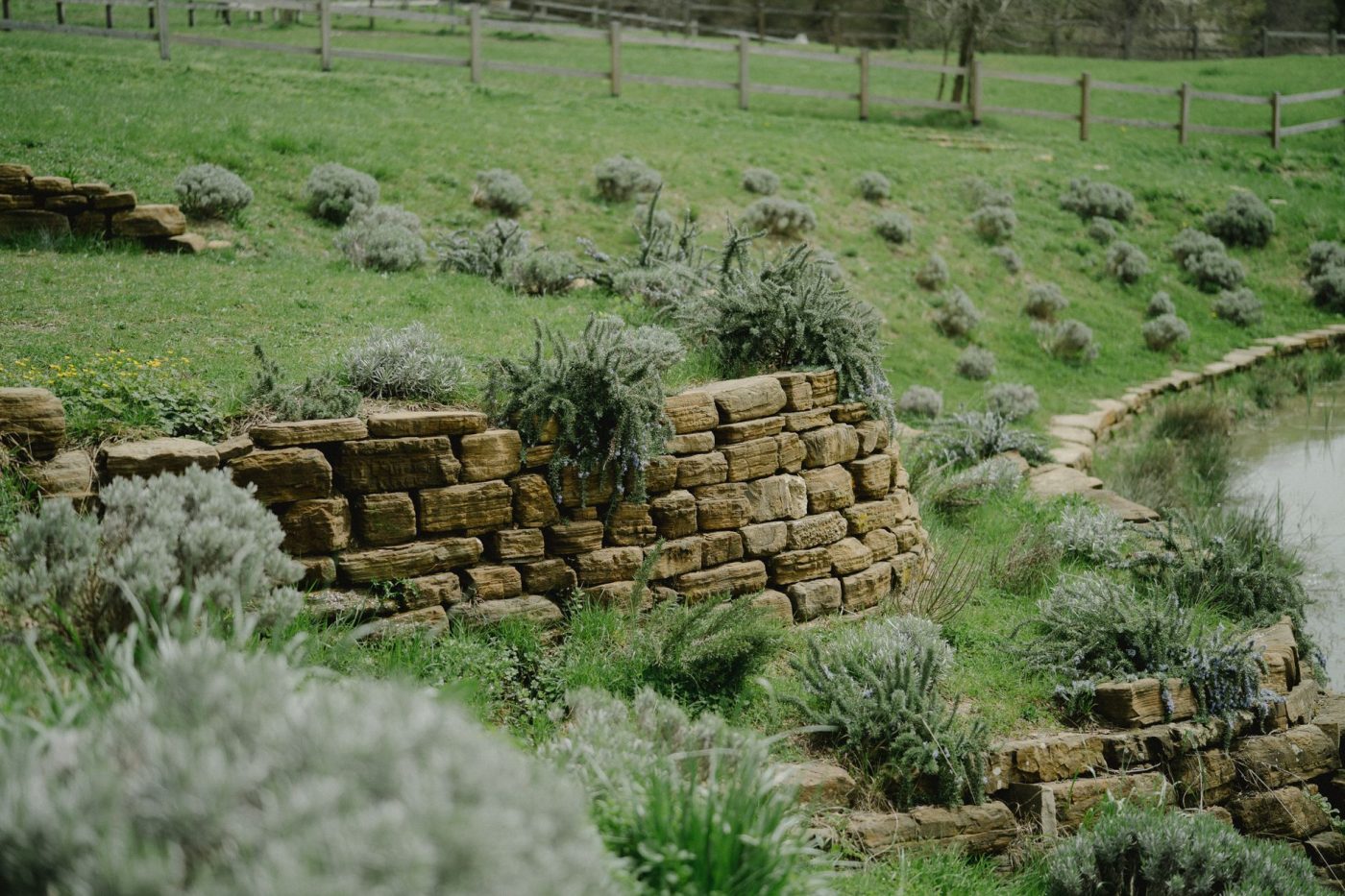
Aluminium panels work well on slopes, but the method matters more than the panel itself. Contractors typically use one of two approaches: stepping or raking. Stepping means each panel sits level while the posts step down at different heights, leaving small gaps under the panels. Raking means the posts stay the same height and the panels follow the ground at an angle.
A stepped installation suits slopes up to about 15 degrees and looks tidy where the grade changes in distinct stages, such as terraced gardens. The panel stays square, so the gate hardware and pickets keep their standard alignment. The trade-off is a visible gap under each panel, which some owners fill with gravel boards or low planting.
Raking works better on long, even gradients. The panel is racked, meaning the rails are cut at an angle and the pickets stay vertical, so the fence follows the ground without gaps. Aluminium panels rack more easily than welded steel because the rails and pickets are assembled with screws rather than fixed welds. On ground that changes direction or dips sharply, a contractor may combine both methods, stepping in some sections and raking in others.
- Stepping keeps panels square and works well on terraced or staged ground.
- Raking follows a steady slope without leaving gaps underneath.
- Aluminium panels rack reliably because the rails and pickets are screwed, not welded.
- Sharp changes in grade often call for a mix of stepped and raked sections.
What should I check before the crew starts digging?
Underground utilities are the first thing to sort out. Call 811 at least two working days before the dig so gas, water, power and telecom lines get marked. Digging without this check can hit a service line, and the repair cost usually lands on the property owner. Aluminium posts go in with concrete footings, so each hole needs to be clear of pipes and cables.
Walk the fence line with the foreman before any work begins. Confirm the property boundary in writing, check the local height rules for your zone, and mark every post location on the ground. A mistake here is cheaper to fix now than after the panels go up.
- Call 811 and keep the reference number they give you.
- Show the foreman your survey plan and point out the boundary markers.
- Check the maximum fence height your local council allows for a front or side boundary.
- Agree the exact post spacing and mark each hole with spray paint.
- Decide who removes the turf and where the excavated soil will go.
- Tell the crew about any irrigation lines, landscape lighting or pet fences you know about.
Frequently asked questions
Are aluminium fence panels strong enough for a dog?
Yes. Standard residential panels with 16-19 mm pickets and rigid frame rails hold up well against medium and large dogs. If your dog climbs, choose a spear-top style with smooth vertical bars that give no paw-hold. For diggers, ask the contractor to set the bottom rail closer to the ground or add a buried barrier.
Will an aluminium fence rust near a pool or the coast?
No. Aluminium does not rust the way steel does. A quality powder-coated panel resists salt spray and pool chemicals. In coastal areas, look for a marine-grade coating and rinse the fence with fresh water a couple of times a year to remove salt buildup.
Can I paint aluminium fence panels a different colour later?
You can, but it is rarely necessary. The factory powder coating holds its colour for decades. If you do want a change, a light scuff with fine sandpaper and a two-part epoxy primer will help the new paint bond. Most homeowners find the standard black, bronze or white finishes age well and never need repainting.
How long does a typical aluminium fence installation take?
For an average garden of 40-60 linear metres, a crew of two or three can usually set the posts and hang the panels in two to three days. Curing time for the concrete footings adds another day or two before you can hang a gate. Wet weather or rocky soil can stretch the schedule.