
Pergola vs Gazebo: Which Backyard Structure Suits Your Home
Choosing between a pergola and a gazebo shapes how you use your outdoor space. We compare the two structures on cost, shade, weather protection and installation so you can decide with confidence.
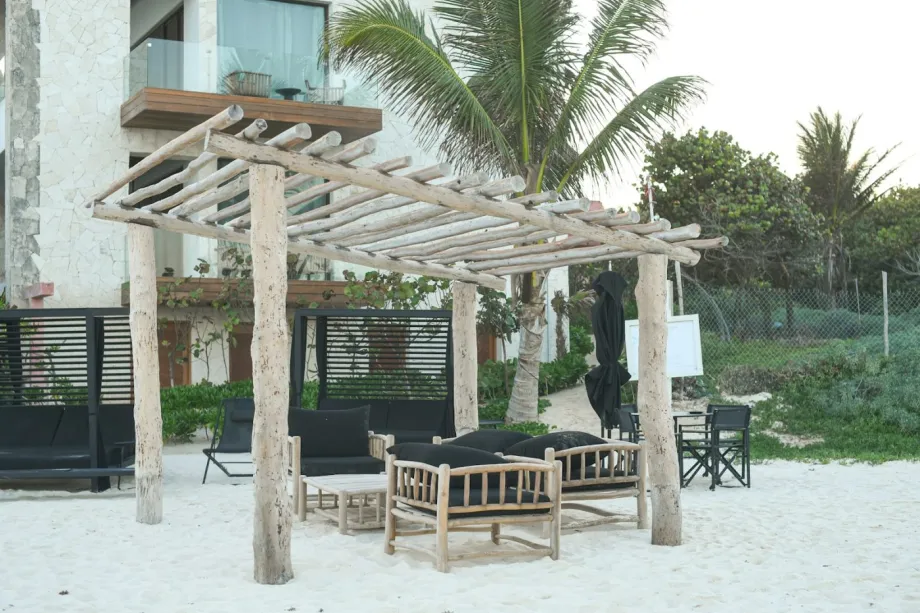
What is the main difference between a pergola and a gazebo?
A pergola is an open framework of posts and crossbeams that creates dappled shade. A gazebo is a freestanding pavilion with a solid roof and usually a raised floor.
The roof makes the difference. A pergola has no solid cover. Its lattice top casts dappled shade and marks out a space without enclosing it. A gazebo offers complete overhead shelter from rain and sun, and its raised floor keeps the seating area dry and separate from the lawn or patio surface.
Because a pergola is open above, it works well over a dining table, a walkway or a hot tub where you want filtered light. A gazebo works as an outdoor room: you can set a full seating group inside and use it comfortably during a summer shower.
Which structure gives better shade and weather protection?
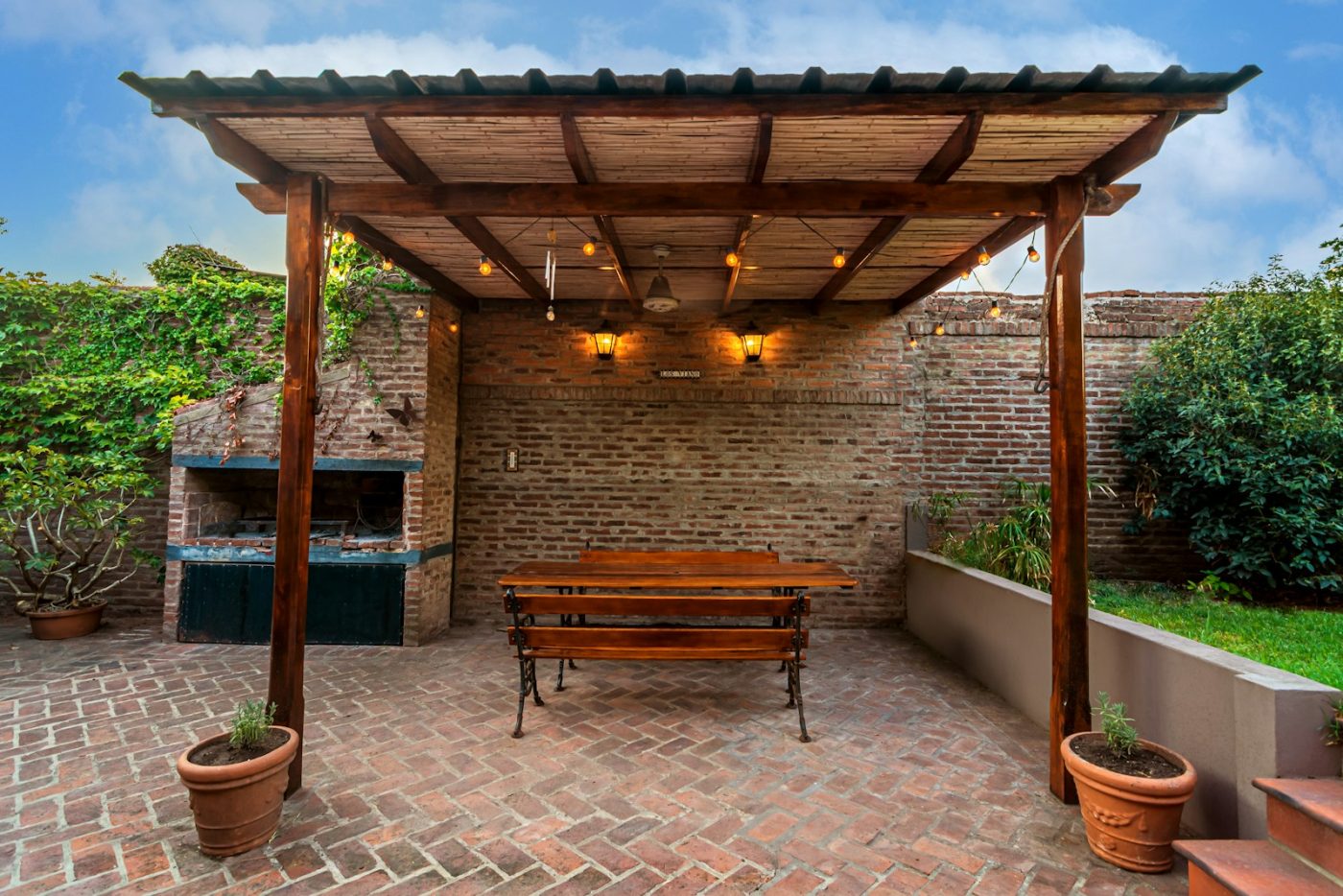
A gazebo gives fuller shade and reliable rain protection because it has a solid, fixed roof. The roof keeps direct sunlight off the seating area throughout the day and lets you use the space during light to moderate rain without getting wet. A pergola has an open lattice roof that casts partial, dappled shade. On its own, it gives almost no protection from rain.
You can improve a pergola’s coverage with add-ons that change its character and price:
- Retractable shade cloth or sail installed under the beams blocks 90-95% of UV rays and can be drawn back on overcast days.
- A fixed polycarbonate canopy turns the pergola into a watertight shelter while keeping the open sides.
- Climbing plants like wisteria or grapevine take 2-4 seasons to fill in but create dense natural shade and a cooler microclimate underneath.
- A louvered aluminium roof gives adjustable shade and full rain protection when closed, though it raises the budget considerably.
With a gazebo, the roof does the job from day one with no extra steps. The trade-off is that a gazebo feels more enclosed, while a pergola with a canopy or plants keeps the airy, open feel and still gives you workable shelter when you need it.
How do the costs of a pergola and a gazebo compare?
A pergola is generally the cheaper structure. The simpler frame, usually four posts supporting an open lattice roof, uses fewer materials. Assembly is also more straightforward, so labour costs are lower than for a gazebo.
A gazebo costs more because it is a more complex structure. The fully covered roof requires waterproofing, shingles or metal panels, and a heavier frame to support it. A raised floor, built-in seating and railings are common additions that increase material and labour costs further. A custom-built wooden gazebo with a solid roof and a finished floor is nearly always the most expensive option in a backyard.
- Pergolas use fewer structural members and no roofing materials, which keeps material costs down.
- Gazebos need a weatherproof roof, a heavier frame and often a raised floor, all of which add to the bill.
- Labour for a pergola is simpler: posts are set, and the top frame is assembled.
- Gazebo construction takes longer and requires more skilled finishing work, especially for the roof and floor.
- A pergola kit is a budget-friendlier route than a full custom gazebo.
Do I need a building permit for a pergola or a gazebo?

Permit rules depend on your local building code, the size of the structure and whether it attaches to the house. Many municipalities treat an open-roof pergola under a certain footprint, often 10 m² to 20 m², as a temporary landscape feature that does not need a permit. A gazebo with a solid roof and full floor is more likely to count as an accessory building, which triggers a permit in most areas.
Attaching either structure to the house nearly always changes the requirements. The connection can affect the home’s structural load, siding and waterproofing, so building officials usually want to review the plans. A freestanding unit placed away from the house and utility lines is the simpler route from a paperwork standpoint.
Before you order materials, call your local planning department and describe the project. Ask about setbacks from property lines, height limits and any rules for impervious cover if you are adding a floor. A quick phone call can save you the trouble of modifying or removing the structure later.
Which structure adds more value to a property?
A gazebo typically adds more measurable value to a home, because buyers see it as a finished outdoor room. A fully enclosed structure with a solid roof, built-in seating and electrical fittings extends the usable square footage of the property. Estate agents often treat a well-built gazebo as a permanent improvement, much like a conservatory or decking. The return depends on the quality of materials and how well the structure blends with the house and garden.
A pergola adds value in a different way, through kerb appeal and design flexibility. It frames a patio or a walkway and gives the garden a landscaped, intentional look that photographs well in listings. Buyers also recognise that a pergola can be adapted over time with climbing plants, shade sails or a retractable canopy. The value here is less about extra living space and more about making the outdoor area feel finished and inviting.
Both structures help a property sell faster when they are in good repair and suit the local climate. A neglected gazebo with a leaking roof or rotting timber works against you, just as a bare pergola on an exposed patch of gravel adds little. The practical return comes down to build quality, placement and how closely the structure matches what buyers in your area expect.
Can a pergola or gazebo be attached to the house?
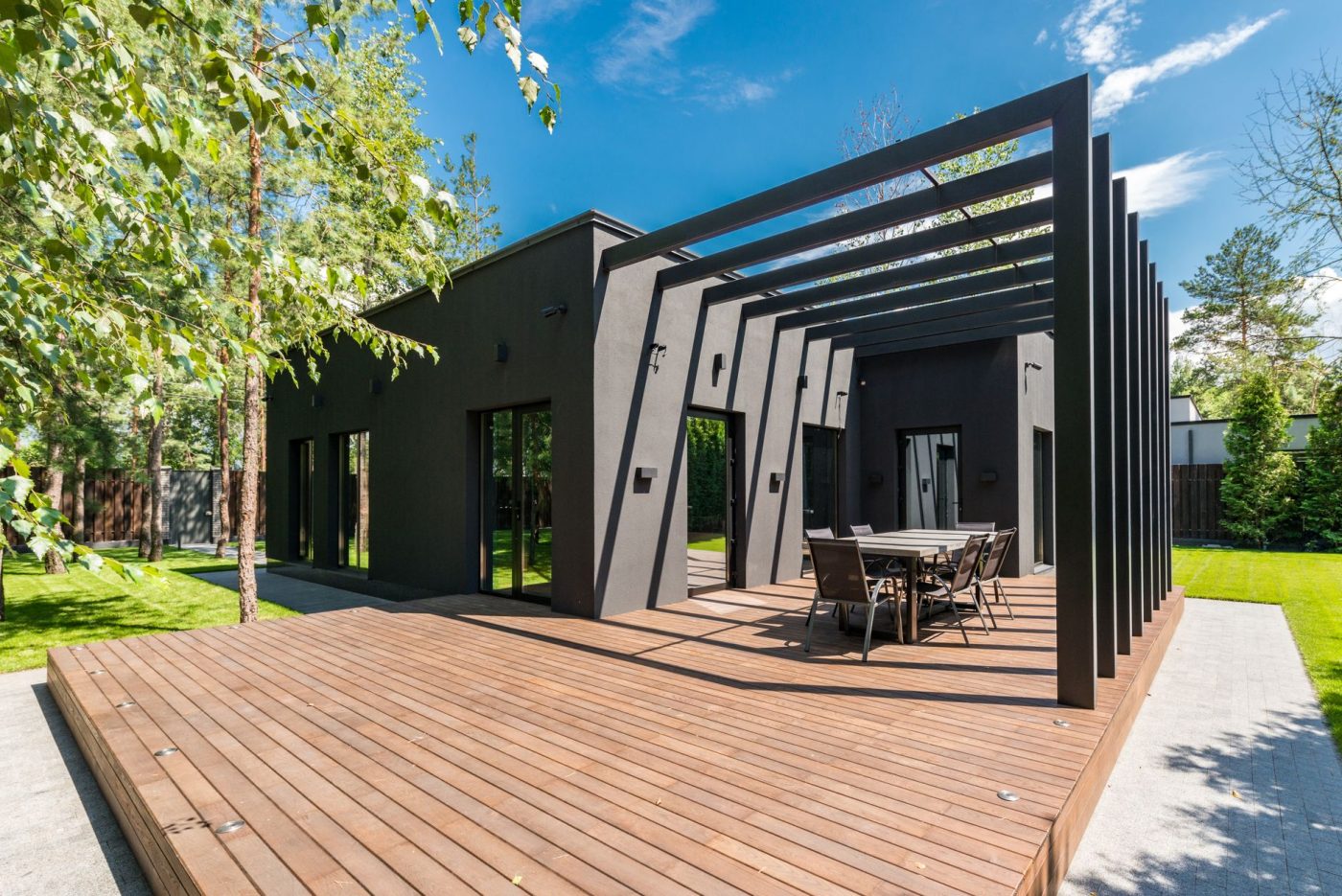
A pergola adapts easily to an attached design. One side of the structure is fixed to a load-bearing exterior wall with a ledger board, while the posts on the opposite side rest on concrete footings. This turns the pergola into a natural extension of the kitchen or living room, shading a patio or a deck directly outside the back door. The wall carries part of the weight, so the span can be wider than a freestanding pergola of the same timber size. You still need to flash the ledger properly and make sure the wall cladding is sound before work begins.
A gazebo is almost always freestanding. Its roof is a complete, self-supporting system with a central peak or cupola, so it does not lean on the house for stability. Trying to attach a gazebo to a wall would trap moisture against the cladding and complicate the roof flashing, which is why building codes in most counties treat a gazebo as an independent structure set away from the house. The practical result is that a gazebo becomes a destination in the garden rather than a step-out shelter.
The attachment choice shapes how you use the structure. An attached pergola encourages you to walk out and sit down without crossing the lawn, so it suits morning coffee and weeknight dinners. A freestanding gazebo gives you a separate room with a full roof, better for afternoon shade and bug-free evenings, but it means a short walk across the garden. Installation differs too: an attached pergola needs careful ledger work and waterproofing at the wall junction, while a freestanding gazebo needs a level base and anchor points on all sides.
What materials are best for a pergola or a gazebo?
The four main materials are wood, vinyl, aluminium and steel, and each behaves differently in a garden. Wood gives a classic look but needs regular sealing. Vinyl and aluminium last longer with almost no upkeep, while steel handles heavy loads but demands rust protection.
Pergolas lean towards natural materials because the open frame shows every joint. A cedar or pressure-treated pine pergola blends into planting schemes and takes stain well, though you will sand and reseal it every 2-4 years. Aluminium pergolas with a powder-coated finish have become popular for modern homes because they weigh less and will not warp, but the hollow sections can look industrial up close.
Gazebos benefit from materials that form a solid roof and walls. A timber gazebo with a shingle roof feels permanent and suits traditional houses, but the enclosed design traps moisture and you must watch for rot at the base of the posts. Vinyl gazebos solve that problem entirely: the material never absorbs water, never needs painting and wipes clean with a hose. Steel gazebos with a factory-applied coating withstand wind better than aluminium and suit exposed sites, though they cost more to ship and assemble.
- Wood suits both structures when appearance matters most, but budget for maintenance every few years.
- Vinyl is the low-maintenance choice for gazebos and pergolas alike, especially in damp climates.
- Aluminium works well for open pergolas where light weight and a sleek profile are priorities.
- Steel makes sense for a permanent gazebo that must stand up to strong winds and heavy snow.
- Composite decking boards can clad a pergola roof for a consistent look with an existing deck.
- A mixed approach, such as a steel frame with a timber ceiling lining, combines strength and warmth.
Frequently asked questions
Can I turn a pergola into a gazebo later?
You can retrofit a pergola with a solid roof and side screens to get closer to a gazebo feel, but the underlying frame is not designed for the extra weight and wind load a full roof brings. A proper conversion usually means rebuilding from the footings up, so it is more practical to choose the right structure from the start.
Which is easier to build myself, a pergola or a gazebo?
A pergola is the simpler DIY project because it has fewer parts and no solid roof to seal. A gazebo involves a more complex frame, a watertight roof and often a raised floor, so mistakes are costlier and harder to fix.
Do pergolas and gazebos need much maintenance?
Wood pergolas need staining or sealing every 2-3 years. Vinyl and aluminium pergolas need only occasional washing. Gazebos have more components, so wood versions require more upkeep, especially the roof shingles and floorboards. Metal and vinyl gazebos are lower maintenance but still need periodic checks on fasteners and seals.
Will a pergola or a gazebo block my view?
A pergola keeps sightlines open because the roof is an open lattice. A gazebo with a solid roof and partial walls will interrupt the view more. If your priority is an unobstructed sightline across the garden, a pergola is the better choice.